

How Facial Gua Sha Works for Skin and Self-Care
A cool facial tool, a few quiet minutes, and enough facial oil for a gentle glide can make an ordinary skincare routine feel deeply restorative. But how facial gua sha works is often misunderstood. It is not a shortcut to changing your bone structure or permanently sculpting your face. It is a form of light, intentional facial massage that can support a refreshed, relaxed-looking complexion while giving you a simple moment of care.
For many people, that is more than enough reason to make it part of their routine. The ritual is affordable, low-tech, and easy to tailor to your skin’s needs on any given day.
How facial gua sha works
Facial gua sha uses a smooth, curved tool - commonly made from stone, stainless steel, or another non-porous material - to massage the skin using light pressure and sweeping strokes. The technique has roots in traditional East Asian bodywork practices. Facial use is much gentler than the more intensive body technique that may leave temporary redness or marks.
On the face, the tool moves across lubricated skin to create a soothing massage. The pressure and motion may encourage temporary circulation at the skin’s surface, which is one reason your complexion can look a little brighter or pinker afterward. It can also help relax areas that hold tension, including the jaw, brow, temples, and forehead.
The gentle strokes may also support fluid movement. If you wake up with a puffy-looking face, especially around the eyes or jawline, a few careful outward and downward passes can create a more rested appearance for a while. Results vary with sleep, hydration, allergies, hormones, salt intake, and your own natural facial anatomy.
That temporary quality matters. Facial gua sha can make skin look refreshed and feel less tense, but it does not melt fat, erase deep lines, lift the face permanently, or replace professional medical or aesthetic care. A good ritual is still worthwhile without making promises it cannot keep.
What you may notice after using a gua sha tool
The most immediate benefit is often comfort. Many of us tighten our jaw while working, squint at screens, or carry stress across the forehead without realizing it. Slow massage can help bring awareness to those habits and give tight areas permission to soften.
You may also notice a temporary reduction in the look of morning puffiness, a healthy-looking flush, and smoother application of your skincare. Using a facial oil or a nourishing serum beneath the tool can turn the process into a more sensorial step in your routine. Choose products your skin already tolerates well rather than introducing several new formulas at once.
Consistency can make the technique easier and more effective for your personal goals. Still, more pressure and more sessions are not better. A gentle five-minute practice a few times a week is usually far kinder to the skin than an aggressive daily routine.
Start with slip, not friction
Never use gua sha on dry skin. Dragging a tool over a bare face can create unnecessary tugging, irritation, and redness, particularly if your skin is dry, sensitized, or using active ingredients.
After cleansing, apply a few drops of facial oil or a serum with enough slip for the tool to glide without pulling. If your usual water-based serum absorbs too quickly, layer a simple moisturizer or facial oil over it. The right texture should let the tool move easily while leaving you in control.
Keep the tool clean, too. Wash it with mild soap and warm water after use, dry it fully, and store it somewhere clean. This is especially helpful if your skin is prone to breakouts.
A gentle facial gua sha routine
Begin at the neck, using very light strokes from just below the ears down toward the collarbone. This can feel counterintuitive when your goal is a lifted-looking face, but starting lower creates a calm, grounded beginning to the massage.
Next, hold the tool nearly flat against your skin rather than pressing its edge straight in. Sweep from the centre of the chin along the jaw toward the ear. Repeat a few times on each side, using enough product that the motion feels smooth.
From the side of the nose, glide outward across the cheek toward the ear. For the under-eye area, use the lightest pressure possible and move from the inner corner outward. The skin here is delicate, so a feather-light touch is plenty.
Finish by sweeping from the centre of the forehead toward the temples, then from the brow area upward toward the hairline. If your forehead feels tight, pause at the temples for a breath rather than pressing harder. The ritual should never hurt.
You do not need a complicated map or dozens of repetitions. Two to five slow passes in each area can be enough. Let your comfort, not a strict count, guide the routine.
Choosing a tool that suits your routine
A gua sha tool does not need to be expensive to be useful. Shape, smoothness, and ease of cleaning matter more than a specific material. Look for a tool with rounded edges that feels comfortable in your hand and has curves that fit along your jaw and cheeks.
Stone tools can feel naturally cool and bring a lovely, grounded quality to a bedtime ritual. Stainless steel stays cool longer and is especially easy to clean. Neither material is automatically better for your skin. The best choice is the one you will use gently and keep clean.
If a tool has sharp seams, chips, rough edges, or cracks, do not use it on your face. A smooth surface protects your skin and makes the experience much more pleasant.
When to skip facial gua sha
Facial massage is not for every skin day. Give your skin a break if you have an active, inflamed breakout, a rash, sunburn, open skin, an eczema flare, or any irritation that makes touch uncomfortable. Moving a tool over inflamed acne can aggravate tenderness and may spread bacteria from one area to another.
It is also wise to wait if you have recently had injectable treatments, facial surgery, resurfacing treatments, or a professional peel. Follow the aftercare instructions from your provider before returning to massage. If you have a skin condition, chronic swelling, rosacea that flares with friction, or a medical concern affecting your face or lymphatic system, ask a qualified healthcare professional or dermatologist for personalized advice.
A little temporary pinkness from gentle massage can be normal. Stinging, bruising, persistent redness, broken capillaries, or pain are signs to stop. Gua sha should feel like care, never like a test of endurance.
Make it a ritual, not another skincare rule
The most sustainable self-care routines are flexible. Use your gua sha tool in the morning when puffiness is bothering you, after a shower when your jaw feels tense, or in the evening as a cue to slow down. Keeping the tool in the fridge can feel especially cooling, though room temperature works beautifully too.
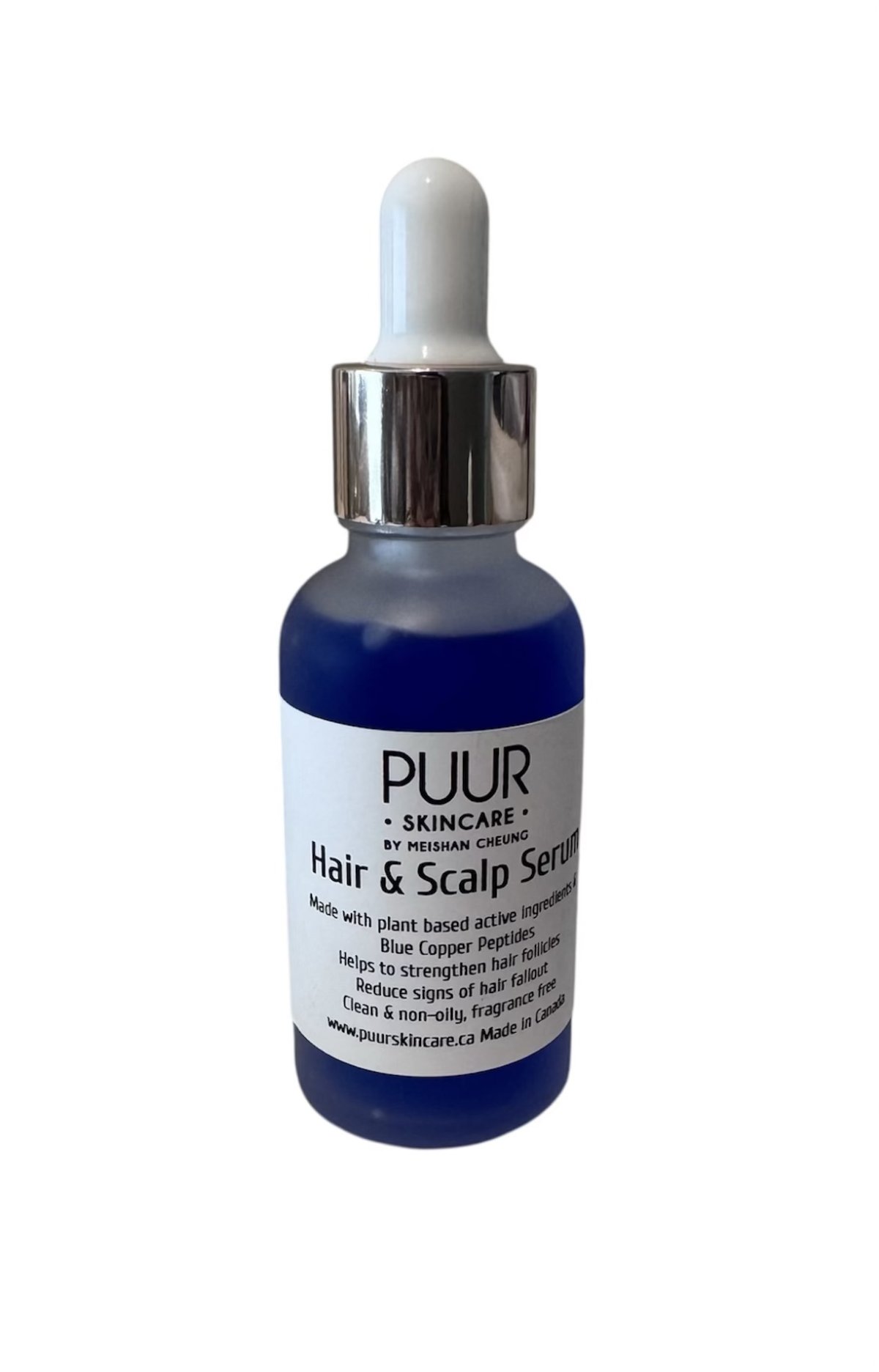
At Puur Skincare, we believe beauty rituals should feel good for your skin and soul, not complicated or pressured. Pair your tool with a clean, comforting product that gives your skin enough slip, then give yourself a few unhurried minutes.
The value of facial gua sha is not found in chasing a filtered version of your face. It is in the small, repeatable act of touching your skin gently, noticing how you feel, and leaving your routine a little calmer than you found it.
Comments