
What to Do After a Bad Reaction to Skincare: A Calm Guide to Skin Recovery
Updated: Jul 17
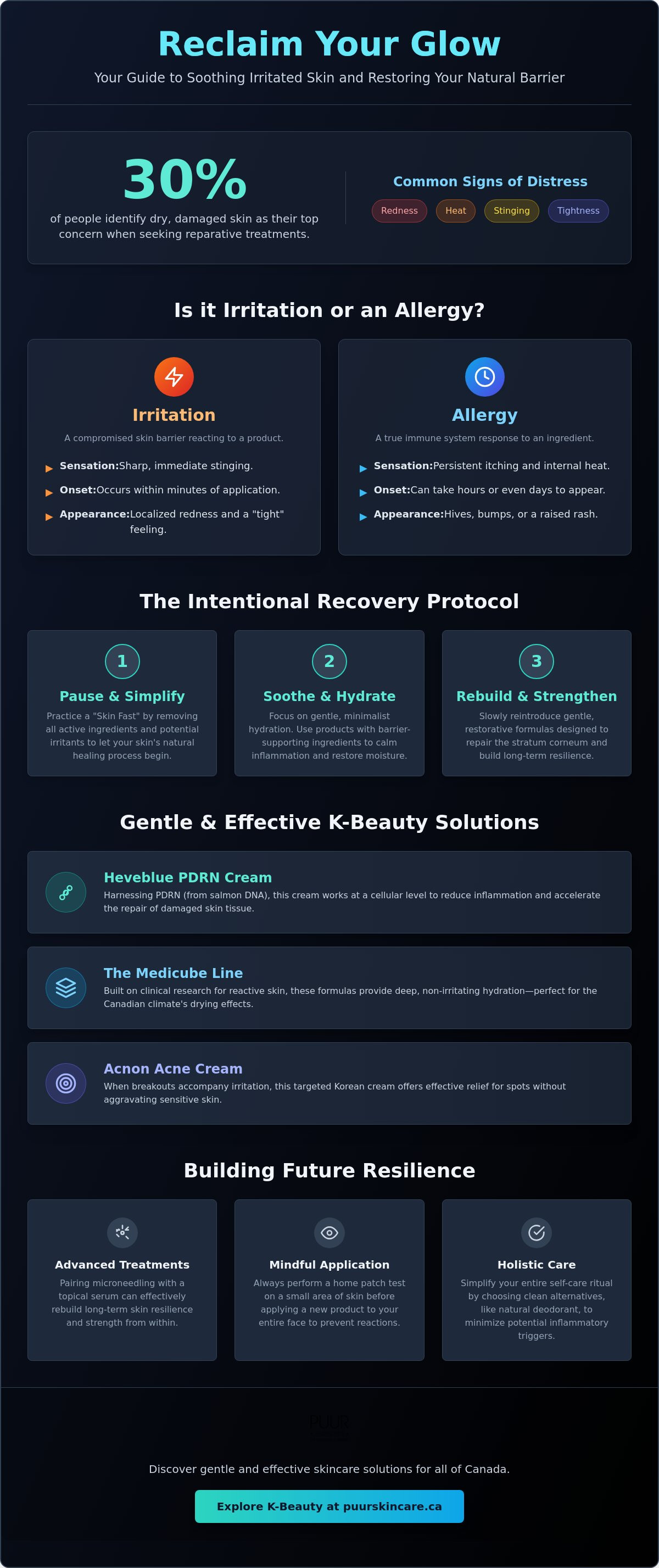
You woke up to a mirror reflecting heat, redness, and the unmistakable sting of a routine gone wrong. It's a frustrating moment, especially when you've invested time and resources into a product that promised radiance but delivered discomfort. You aren't alone in this experience. As of 2026, dry and damaged skin remains the top concern for nearly 30% of people seeking reparative treatments. Understanding what to do after a bad reaction to skincare is the first step toward reclaiming your glow and restoring your peace of mind.
We believe that skin recovery is an intentional ritual of subtraction rather than a search for a new miracle cure. In this guide, you'll learn how to immediately soothe irritation and repair your skin barrier using a minimalist approach. We'll explore the restorative power of "intelligent minimalism" and highlight gentle yet effective K-beauty solutions like the Heveblue PDRN Cream and the Medicube line. From the targeted relief of Acnon Acne cream to the benefits of pairing microneedling with a topical serum, we'll provide a clear path back to health. You'll also find tips on mindful habits, including why transitioning to a aluminum free natural deodorant can support your holistic well-being as you simplify your daily ritual.
Table of Contents
Identifying the Flare-Up: Is it Irritation or an Allergy?
When your face feels hot or tight, the first instinct is often panic. However, understanding the specific language your skin speaks is essential to knowing what to do after a bad reaction to skincare. A compromised barrier usually manifests as a sharp, immediate stinging sensation when you apply products. In contrast, an allergic reaction often presents as persistent itching, hives, or a raised rash that feels more like an internal heat. Recognizing these subtle sensory differences allows you to respond with the gentle care your skin deserves.
Identifying the culprit requires a mindful look at your timeline. Most irritant reactions occur within minutes of application, while allergic responses might take hours or even days to surface. Broadly speaking, contact dermatitis is a localized inflammatory response to external substances that disrupts your skin's equilibrium. By observing exactly when the discomfort began, you can trace the disharmony back to a specific new active, botanical extract, or synthetic fragrance.
For those exploring new K-beauty actives, the distinction between a "purge" and a "reaction" is vital. Purging typically happens when ingredients like retinol or certain acids accelerate cell turnover, bringing existing congestion to the surface in expected areas. If you notice redness or texture in areas where you usually have clear skin, it's likely a negative response rather than a healthy transition. Knowing what to do after a bad reaction to skincare involves pausing these potent formulas immediately to prioritize a season of healing and restoration.
Signs of Acute Skin Irritation
Symptoms often include a distressing "tight" feeling, localized redness, and immediate stinging. The Canadian climate, characterized by dry indoor heating and biting outdoor cold, often strips the skin of its natural oils. This environmental stress leaves the stratum corneum vulnerable. When the air is parched, your skin's ability to defend itself weakens, making it even more sensitive to new formulas or high concentrations of active ingredients.
When to Seek Professional Guidance
While most flare-ups subside with a minimalist approach, certain signs require expert care. Seek medical help if you experience significant swelling, blistering, or any difficulty breathing. These are signs of a severe systemic response. For those with chronic sensitivities, professional patch testing is a valuable tool. It helps you identify specific triggers so you can curate a safe, intentional routine that honors your skin's unique needs. In any healthcare context, having access to clear, digital post-treatment instructions is a cornerstone of safety; you can learn more about PractCom to see how these communication tools are used to enhance patient care.
The Science of Barrier Repair: Essential K-Beauty Solutions
The skin's outermost layer, known as the stratum corneum, acts as a delicate shield that preserves moisture and blocks environmental stressors. When this barrier is compromised, your skin loses its ability to protect itself. Scientific insights into how skincare products trigger rashes reveal that certain compounds can strip away essential lipids, leaving the nerves exposed and reactive. Understanding what to do after a bad reaction to skincare begins with a shift from aggressive treatment to intentional, barrier-first nourishment.
Korean beauty has long led the industry by prioritizing skin health over temporary aesthetic fixes. Instead of using harsh actives that demand a "recovery" period, K-beauty focuses on bio-active ingredients that mirror the skin's natural composition. A primary example is PDRN (Polydeoxyribonucleotide). This sophisticated component, often derived from salmon DNA, works at a cellular level to reduce inflammation and accelerate the repair of damaged tissue. For those in need of immediate restoration, the Heveblue PDRN Cream serves as a nurturing ritual, providing the raw materials your skin needs to rebuild its strength.
The Medicube Approach to Sensitive Skin
The Medicube product line is built on clinical research that respects the fragility of reactive skin. For Canadians facing the drying effects of indoor heating and cold winds, Medicube offers hydration that is both deep and non-irritating. These formulas focus on transparency and safety, ensuring that you can restore your glow without the risk of further disharmony. It's a reliable way to navigate what to do after a bad reaction to skincare while maintaining a sophisticated routine.
Targeting Breakouts with Acnon Acne Cream
If your skin responds to a new product with localized spots, resist the urge to apply drying alcohols or heavy acids. A targeted approach is far more mindful. Using Acnon Acne cream from Korea allows you to treat specific inflammatory responses without stripping the surrounding healthy barrier. This precision ensures your recovery remains steady and calm. You can explore our curated collection of Korean skincare to find the perfect balance for your unique needs.
The Intentional Recovery Protocol: A Step-by-Step Guide
True healing begins with the philosophy of subtraction. When determining what to do after a bad reaction to skincare, your most powerful tool is the "Skin Fast." This period of unhurried rest involves stripping your routine back to the bare essentials for at least seven days. By removing all exfoliants, retinoids, and synthetic fragrances, you create a quiet space for your skin to breathe. The American Academy of Dermatology confirms that avoiding the primary irritant is the foundation of recovery. During this time, treat your skin with the utmost gentleness. Wash only with lukewarm water and a non-stripping cleanser, then pat dry with a clean, soft towel to protect the fragile acid mantle.
The 72-Hour Reset
The first three days are the most critical for calming the storm. Follow these three intentional steps to restore harmony:
Step 1: Immediately cease the use of the suspected product and all active ingredients, including Vitamin C, AHAs, or BHAs.
Step 2: Hydrate the skin with a minimalist, barrier-focused toner to provide weightless moisture without the risk of further irritation.
Step 3: Seal that hydration with a restorative layer of Heveblue PDRN Cream to support cellular repair and soothe visible redness.
Managing Internal Inflammation
Your skin reflects your internal state. To speed up the recovery cadence, prioritize deep sleep and high hydration levels. Avoid high-heat environments like saunas or long, hot showers, as heat can dilate blood vessels and worsen existing redness. This meditative approach to healing ensures your results are as stable as they are radiant. If you're ready to rebuild your routine with intention, explore our curated Korean skincare collection for products that honor your skin’s natural rhythm.
Preventing Future Reactions: Mindful Rituals and Protection
Once you've navigated the immediate storm, the focus shifts to long-term resilience. Mastering what to do after a bad reaction to skincare is as much about prevention as it is about recovery. Embrace the "Home Patch Test" as a non-negotiable ritual. Apply a small amount of a new product to the inner forearm or behind the ear for 48 hours before a full application. This slow, meditative approach ensures that each new addition to your routine honors your skin's unique boundaries. It allows you to introduce essentials from the Medicube line or the Heveblue PDRN Cream with absolute confidence.
Reading ingredient lists becomes an act of self-care rather than a chore. Look for botanical integrity and "clean" formulations that prioritize safety. By choosing products with transparent sourcing, you reduce the risk of introducing hidden irritants. Adopting a slower, more intentional pace when introducing K-beauty essentials ensures that your skin remains a sanctuary of health rather than a site of constant experimentation.
Microneedling and Serum Synergy
Advanced treatments like microneedling can be transformative when paired with the right topical serum. This synergy enhances absorption, allowing healing ingredients to reach deeper layers of the skin where they are most effective. However, using a high-quality, sterile serum is essential to prevent adverse reactions. If your skin has a history of being reactive, consult with a professional before combining these advanced methods with new formulas. This ensures your journey toward radiance remains safe and grounded in expert guidance.
Holistic Body Care: Beyond the Face
True wellness extends beyond the face. In Canada, where seasonal changes can sensitize the entire body, choosing a natural deodorant without baking soda is a vital step for maintaining comfort. Many traditional formulas contain harsh salts or aluminum that can trigger inflammation in sensitive areas. Similarly, incorporating magnesium lotion into your evening routine helps calm the nervous system and supports overall skin wellness. For those starting their journey into intentional beauty rituals, our Natural Skincare Beginner Guide offers a clear path toward long-term radiance and peace of mind.
Embracing a Season of Skin Restoration
As a Canadian-owned and operated curator, we focus on clean beauty that honors your unique rhythm. We provide expert guidance for sensitive and reactive skin types, ensuring every choice you make is grounded in safety and transparency. Explore our curated collection of restorative K-Beauty essentials, featuring authentic Medicube and Heveblue products designed to nurture your glow without aggression. Your journey toward a calm, radiant complexion is a meditative practice. We're here to guide you through every step of your restoration. Trust in the power of simplicity and the healing strength of the natural world.
Frequently Asked Questions
How long does it take for a skincare reaction to go away?
Most acute irritations begin to subside within 72 hours once you stop using the offending product. However, a full recovery of the skin barrier can take between two to four weeks, depending on the severity of the damage. During this time, it's vital to follow a minimalist routine. Using a restorative formula like the Heveblue PDRN Cream can support this natural healing cadence by providing the essential building blocks your skin needs to repair itself.
Can I use hydrocortisone cream on my face for a skincare reaction?
You may use a mild hydrocortisone cream for short-term relief of intense itching or swelling, but it isn't a long-term solution. Steroid creams can thin the delicate skin on your face if used excessively. Instead, focus on soothing the inflammation with gentle K-beauty essentials from the Medicube line. If you're unsure about what to do after a bad reaction to skincare that persists, always consult a healthcare professional to ensure your recovery is safe and intentional.
Should I wash my face if it is burning from a product?
Yes, you should immediately rinse your skin with lukewarm water to remove any remaining traces of the product. Avoid using hot water or harsh scrubbing, as this can further distress the stratum corneum. A gentle, non-stripping cleanser is helpful to ensure all residue is gone without causing additional damage. Once the skin is clean, pat it dry very softly with a clean towel and apply a nurturing, simple moisturizer to begin the soothing process.
How do I know which product caused the reaction?
Identifying the culprit involves looking at the onset timing of your symptoms. Most irritant reactions happen within minutes, while allergies may take a day or two to appear. If you've introduced multiple items, stop everything and reintroduce them one by one every two weeks. This is why we recommend a "Home Patch Test" for new items like Acnon Acne cream. It's a mindful way to ensure each product aligns with your skin's unique needs.
Is it a purge or a breakout?
A purge usually occurs in areas where you already experience congestion and is triggered by actives that speed up cell turnover. If you see redness, small bumps, or itching in new areas, it's likely a reaction. Knowing what to do after a bad reaction to skincare means recognizing when your barrier is compromised. If your skin feels sensitive rather than just congested, it's time to pause and return to a season of simple, intentional hydration.


Comments